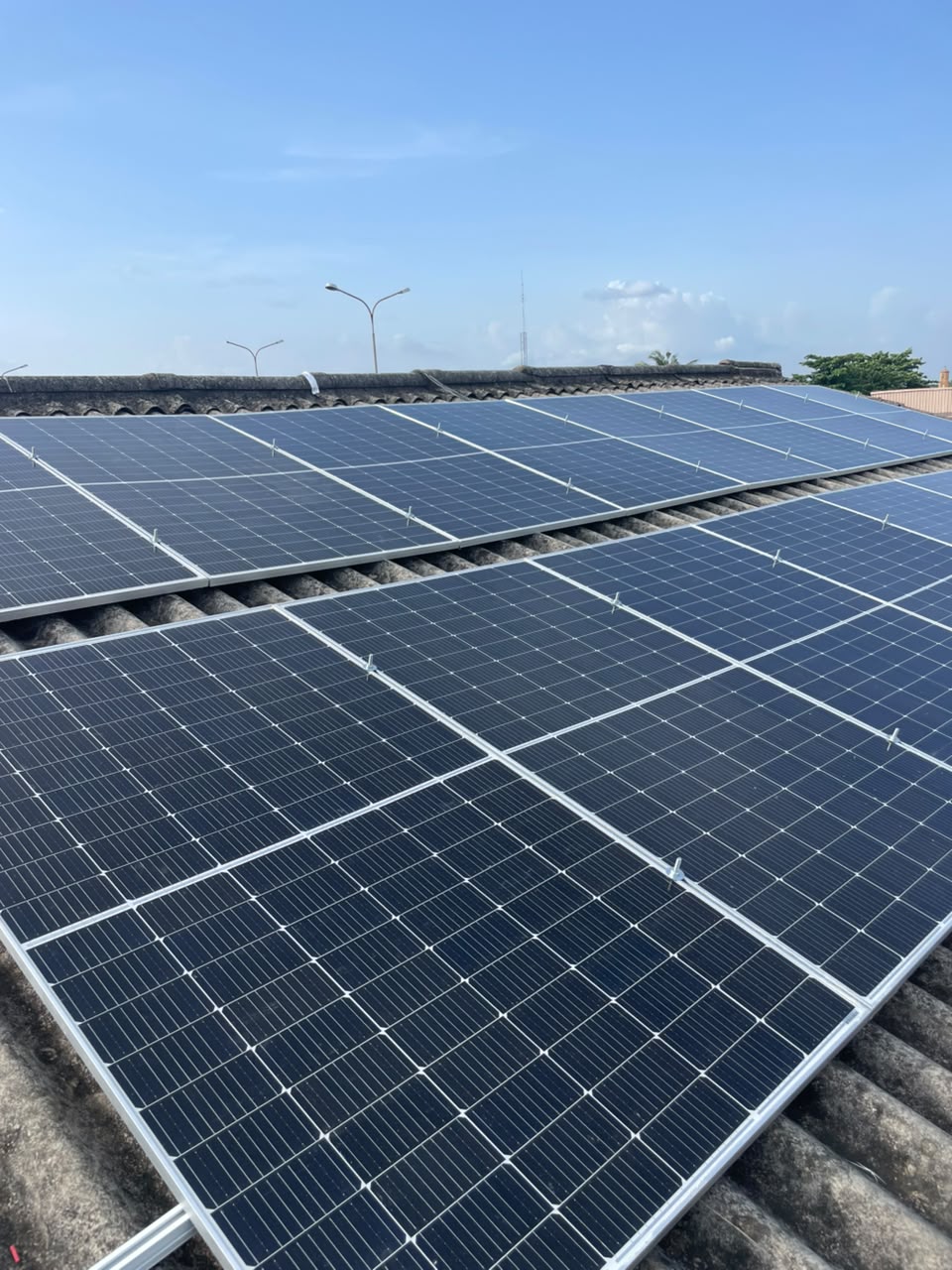
Solar Panel Price in Nigeria (2026 Guide)
Current prices for solar panels by wattage and brand, complete system costs, and what to budget for a home or business installation in Lagos and across Nigeria.
How Much Do Solar Panels Cost in Nigeria?
With rising grid electricity tariffs and fuel costs, more Nigerian homes and businesses are switching to solar. Solar panel prices in Nigeria are quoted primarily by wattage — a higher-wattage panel costs more but generates more electricity. The figures below reflect the Nigerian market in 2026, drawn from current marketplace and installer pricing. They are indicative ranges, not fixed prices: the actual cost of your system depends on the panels, battery, inverter, protection accessories and installation work required for your property.
Looking for an exact price for your building? Request a free quote from LEVAN COCMO LLP and we will assess your needs and send a clear, itemised quote.
Solar Panel Prices in Nigeria by Wattage
Prices are indicative market ranges in Naira (₦) for a single panel. Monocrystalline panels sit toward the higher end; polycrystalline toward the lower end.
| Panel Wattage | Price Range (₦) | Typical Use Case |
|---|---|---|
| 100W | ₦22,000 – ₦40,000 | Small devices — lights, phone charging, fans |
| 200W | ₦45,000 – ₦70,000 | TVs, laptops, small fridge |
| 300W | ₦65,000 – ₦120,000 | Multiple lights, fans, fridge |
| 450W | ₦95,000 – ₦180,000 | Shop or 2–3 bedroom home |
| 550W | ₦115,000 – ₦220,000 | Larger homes, offices, AC units |
| 650W | ₦155,000 – ₦220,000 | Large homes and small commercial setups |
These ranges reflect 2025–2026 Nigerian marketplace and installer data from sources such as Powergen Engineering, Nigeria Housing Market and Techpoint Africa. Prices move with global raw material costs (silver, aluminium), the Naira exchange rate and import duties, so always confirm the current figure with a supplier before buying.
Complete Solar System Costs in Nigeria
A working solar system is more than the panels. The total installed cost includes panels, a hybrid inverter, battery storage, charge controller, cables, mounting, protection and labour. These ranges cover a typical Nigerian home or business installation.
₦600,000 – ₦1,200,000
Lights, TV, fans, phone & laptop charging
₦1,500,000 – ₦2,500,000
Above plus a small fridge and energy-efficient appliances
₦2,400,000 – ₦3,800,000
Fridge, freezer, TVs, lights, multiple fans
₦3,200,000 – ₦5,500,000
Full home — fridge, freezer, AC (inverter), pumps
₦6,500,000 – ₦11,000,000
Large home or small office with multiple ACs
A 5 kVA hybrid solar system — enough to run a fridge, freezer, lights, fans and an inverter air conditioner — typically lands between ₦3.2m and ₦5.5m installed. Many Nigerian businesses report the system paying for itself within 1–2 years through savings on diesel and petrol.
Factors That Affect Solar Panel Prices in Nigeria
Panel wattage & type
Higher-wattage monocrystalline panels cost more upfront but generate more power per square metre than polycrystalline panels.
Battery type & capacity
Lithium (LiFePO₄) batteries last up to 10 years and cost more than lead-acid, which typically lasts 3–5 years.
Inverter size
A bigger hybrid inverter powers more appliances but raises the total system cost. Sizing it correctly avoids overspending.
Protection & accessories
Charge controllers, cables, breakers, mounting frames and earthing/lightning protection add to a safe, durable installation.
Installation & site work
Roof type, panel quantity, cable runs and labour all affect the final installed price.
Popular Solar Panel Brands in Nigeria
Brand quality affects both price and long-term efficiency. These are among the most widely installed panel brands in the Nigerian market.
Jinko Solar
Popular in Nigeria for strong performance in low-light conditions.
Canadian Solar
Durable with high heat tolerance — well suited to the Nigerian climate.
Trina Solar
Balanced performance and affordability across a wide wattage range.
LONGi
High-efficiency monocrystalline modules for compact roofs.
Felicity Solar
A budget-friendly option commonly used in Nigerian homes and shops.
Quality Panels, Professional Installation
LEVAN COCMO LLP supplies and installs solar panels, inverters, batteries, charge controllers and protection devices for homes, businesses and communities across Nigeria. We size your system correctly, source genuine equipment, and back every job with maintenance and technical support — including earthing and lightning protection that keeps your investment safe through Nigeria's storm season.
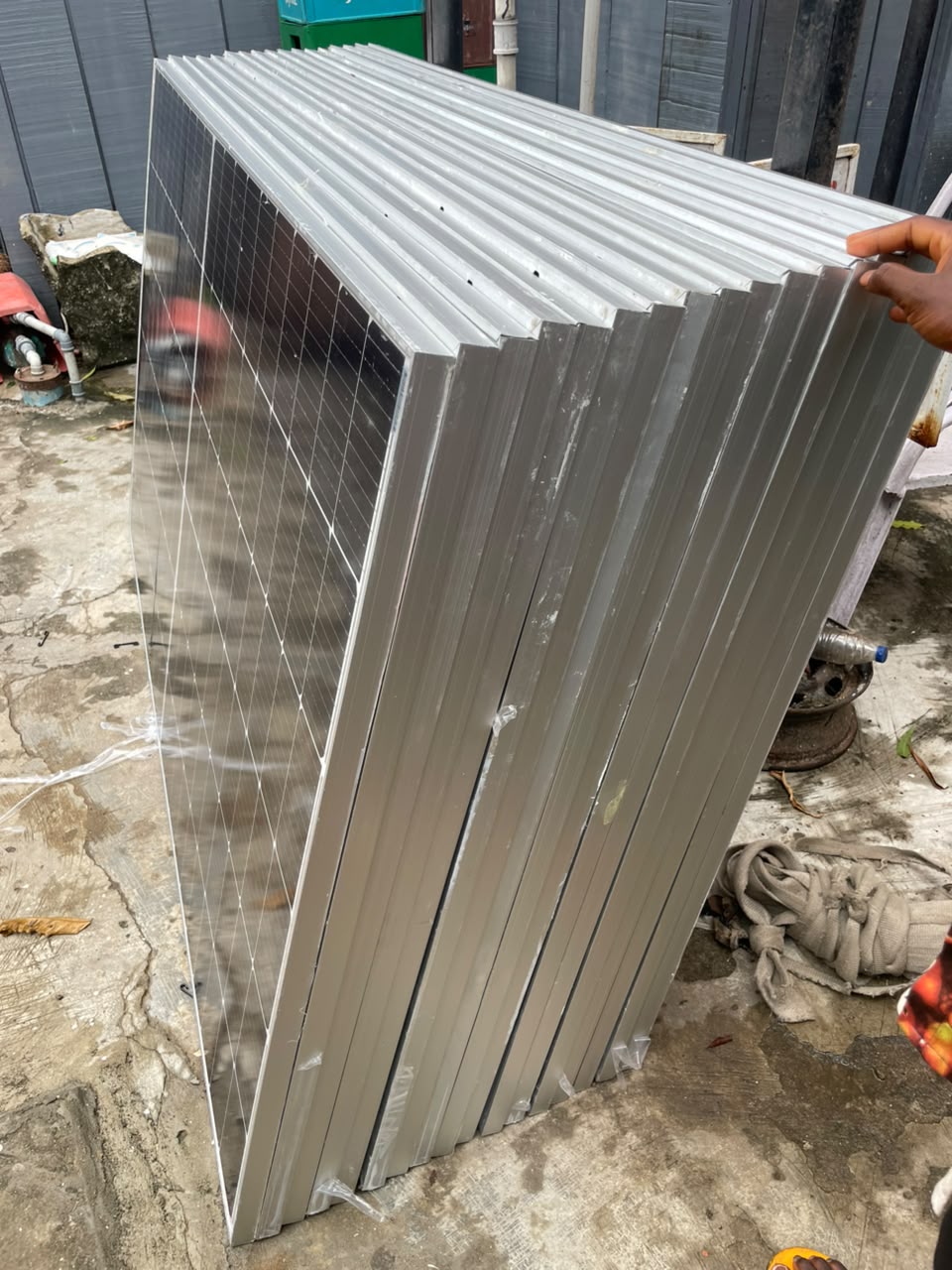
Get an Exact Price for Your Building
Tell us your power needs and property type. We will assess your requirements and send a clear, itemised quote covering the equipment and installation work.
Talk to LEVAN COCMO LLP
Business Hours: Monday – Saturday: 7:00 AM – 6:00 PM · Sunday: Closed